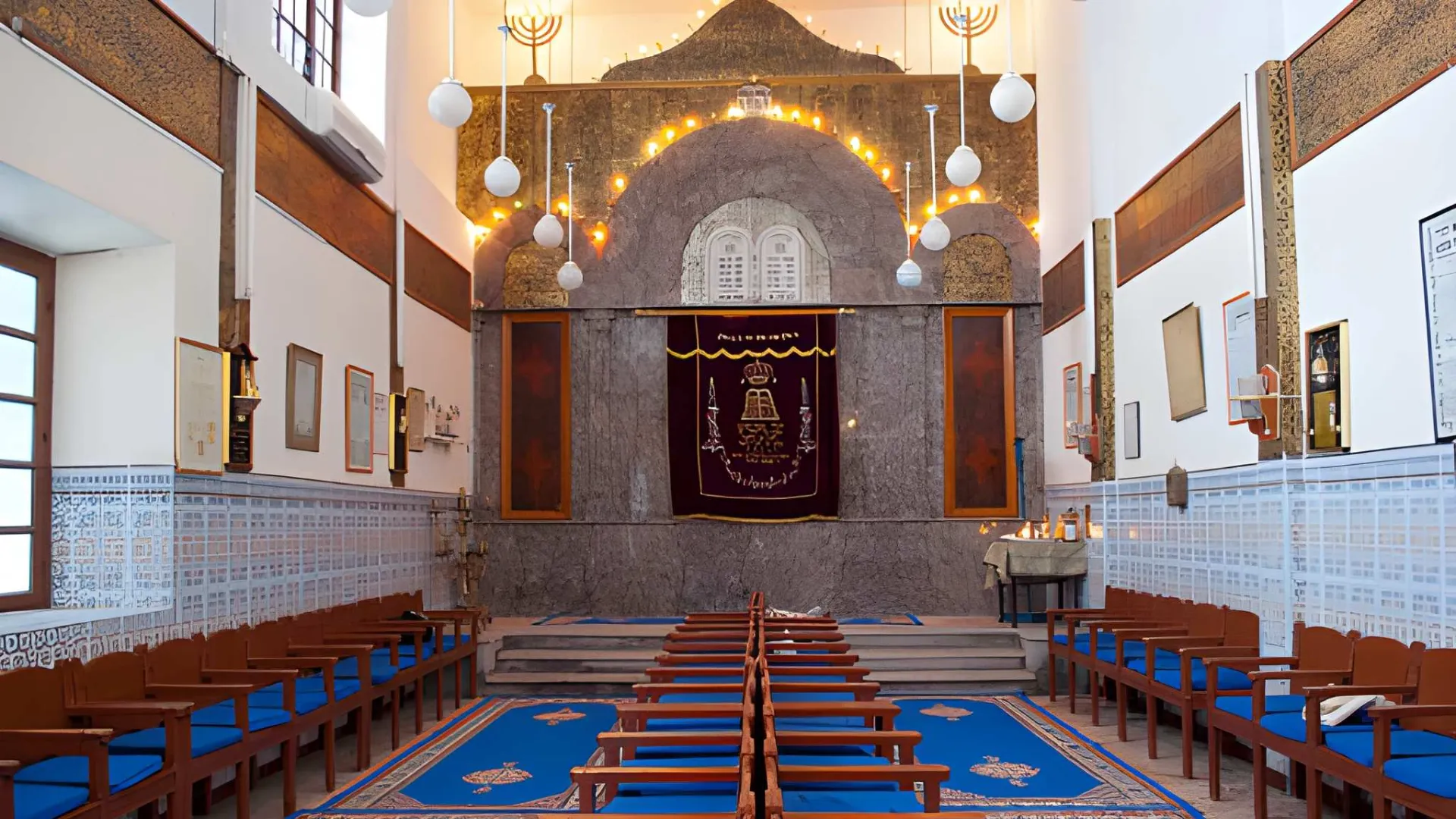
Imagine walking through Marrakech’s vibrant streets. You’ll discover a community that has thrived for centuries. Guided tours let you see historic synagogues, cultural traditions, and lively communities. These tours show Morocco’s Jewish heritage.
This mix of history, religion, and community shows the long interaction between Islamic and European cultures. On these tours, you’ll feel the warmth of local communities. You’ll learn how important Jewish heritage is in Morocco.
- Discover historic synagogues and cultural landmarks on guided tours.
- Experience the vibrant traditions and customs of Morocco’s Jewish community.
- Explore the unique blend of Islamic and European influences on Jewish heritage.
- Visit thriving communities and learn about their history and resilience.
- Gain a deeper understanding of the significance of Jewish culture in Morocco.
Introduction to Morocco’s Jewish Heritage
Morocco’s Jewish heritage goes back to the Roman era. It’s a big part of the country’s culture. You can see this in many historical sites, traditions, and the Jewish communities living there.
Overview of Jewish History in Morocco
Morocco’s Jewish history is filled with stories of living together, sharing cultures, and facing hard times. Jewish people have lived in cities like Fez, Marrakech, and Casablanca. They’ve helped shape the country’s culture, economy, and society. Jewish heritage tours Morocco let you see this history up close.
The first Jews came to Morocco in the 1st century. Over time, they grew and helped with trade, commerce, and culture. Even when things got tough, they kept their traditions alive.
Significance of Jewish Communities
Jewish communities in Morocco have greatly influenced the country’s culture. They’ve made big contributions to trade, arts, and more. The jewish historical sites Morocco show how important they’ve been.
Places like the Mellah of Marrakech, the Jewish Cemetery in Fez, and the Synagogues of Casablanca are key examples. They show how Jews lived and worked in Morocco. These sites also show how they fit into Moroccan society.
Modern Jewish Life in Morocco
Today, Jewish life in Morocco is different but alive. The community is smaller but very much a part of Moroccan life. Modern Jewish life mixes old traditions with new culture.
On jewish heritage tours Morocco, you can see this vibrant culture. You can join a Shabbat dinner or visit active synagogues. It’s a great way to learn about Jewish customs and traditions.
Major Jewish Sites to Visit
From the vibrant mellahs to the serene synagogues, Morocco’s Jewish heritage is fascinating. Visitors can see many important Jewish sites across the country. Each site gives a unique look into Morocco’s rich history and cultural diversity.
The Mellah of Marrakech
The Mellah of Marrakech is in the heart of the old medina. It’s one of Morocco’s oldest Jewish quarters. With its narrow streets, historic synagogues, and lively markets, it’s a must-see. Don’t miss the Slat al-Azama Synagogue, a stunning and significant synagogue.
The Jewish Cemetery in Fez
The Jewish Cemetery in Fez is a key site showing the community’s history in the city. It has thousands of tombs, including those of important Jewish figures. This cemetery offers a deep look into Morocco’s Jewish community’s history and traditions.
Synagogues of Casablanca
Casablanca has several important synagogues that show the ongoing practice of Judaism in Morocco. The Benarrosh Synagogue is a standout, known for its beautiful architecture and historical importance. Exploring these synagogues helps visitors understand the Jewish community’s traditions and practices.
| Site | Location | Significance |
|---|---|---|
| The Mellah of Marrakech | Marrakech | Historic Jewish quarter with significant synagogues |
| The Jewish Cemetery | Fez | Ancient cemetery with thousands of tombs |
| Benarrosh Synagogue | Casablanca | Stunning architecture and historical significance |
Guided Jewish Tours: What to Expect
Guided Jewish tours in Morocco let you dive into the rich Jewish heritage. You’ll see ancient mellahs and modern synagogues. These tours aim to show the historical, cultural, and religious importance of Jewish communities here.
Types of Tours Available
Morocco has many guided Jewish tours for all interests. You can choose from:
- Historical walking tours of mellahs in cities like Marrakech and Fez
- Cultural tours that focus on Jewish traditions and customs
- Religious tours that visit important synagogues and cemeteries
- Special interest tours, like those on Jewish cuisine or music
Each tour offers a unique look at Morocco’s Jewish heritage. This way, you can pick the tour that fits your interests best.
Duration and Itineraries
Guided Jewish tours in Morocco last from half a day to several days. The plans are made to include key Jewish sites, cultural experiences, and local community interactions.
| Tour Type | Duration | Key Highlights |
|---|---|---|
| Marrakech Mellah Tour | Half-day | Explore the historic mellah, visit the Slat al-Azama Synagogue |
| Fez Jewish Heritage Tour | Full-day | Visit the Jewish Cemetery, explore the old mellah |
| Morocco Jewish Odyssey | 7 days | Visit major Jewish sites across Morocco, including Marrakech, Fez, and Casablanca |
Expert Guides and Their Insights
The success of these tours comes from the local guides’ knowledge. They know a lot about the history, culture, and importance of the places you visit. This helps you understand and appreciate Morocco’s Jewish heritage more.
Guides’ insights often include interesting stories and cultural context. They might talk about the Jewish community’s history in Morocco, the importance of certain synagogues, or traditions during Jewish festivals. This makes the tour more engaging and memorable.
The Cultural Experience of Jewish Tours
Explore the rich cultural scene of Jewish tours in Morocco. You’ll see traditional festivals, delicious local food, and a lively arts scene. This shows the deep heritage and vibrant community of Moroccan Jews.
Jewish Festivals in Morocco
Morocco’s Jewish community celebrates many festivals each year. These festivals give a peek into their traditions. For example, Passover is a big deal, where families share a Seder meal and retell the Exodus story.
Rosh Hashanah, the Jewish New Year, is also a major celebration. It’s marked by prayers and reflections in synagogues across the country.
These festivals show the religious practices of Moroccan Jews. They also highlight the community’s strength and cultural tradition. Visitors on Jewish heritage tours can join in these celebrations. They’ll learn more about the community’s traditions and values.
| Festival | Description | Date |
|---|---|---|
| Rosh Hashanah | Jewish New Year, marked by prayers and reflections | Usually in September or October |
| Passover | Celebration of the Exodus from Egypt, marked by a Seder meal | Usually in March or April |
| Purim | Celebration of the saving of the Jewish people from the plot to destroy them | Usually in February or March |
Traditional Jewish Moroccan Cuisine
Traditional Jewish Moroccan cuisine is a mix of flavors. It’s influenced by the country’s rich culinary history. Dishes are often made with local ingredients and are kosher.
Some favorite dishes include Shakshuka, a spicy tomato stew, and Hamantaschen, triangular cookies filled with jam or chocolate. This cuisine shows the community’s culinary traditions and is a big part of their cultural identity. Visitors can try these dishes on kosher tours Morocco and experience the warmth of Moroccan Jewish hospitality.
Music and Arts: A Blend of Cultures
Morocco’s music and arts scene is vibrant and diverse. Jewish influences are seen in traditional Andalusian music and the detailed work of local artisans. The mix of cultures is also seen in festivals, where music and dance are key.
On Jewish heritage tours, visitors can enjoy traditional music and see the craftsmanship of local artisans. This gives them a deeper appreciation for Morocco’s rich cultural tapestry.
Noteworthy Jewish Personalities from Morocco
Morocco has a rich history of Jewish individuals who have greatly influenced the country. They have shaped Morocco’s culture and intellect. Their contributions are seen in many areas.
Historical Figures
The Jewish community in Morocco has a long list of influential figures. David Hassine, a famous rabbi and poet from the 18th century, is one. His writings are studied today, giving us a glimpse into Moroccan Jewish life back then.
Jacob Ben Eliezer Toledano was a chief rabbi who helped keep Jewish traditions alive in Morocco. These figures have enriched Morocco’s culture and played key roles in its history.
Contemporary Influences
Today, Moroccan Jews are making their mark in society. Serge Berdugo, a former president of the Jewish community in Casablanca, has promoted dialogue and cultural exchange. Jewish artists, writers, and intellectuals are also adding to Moroccan culture, blending old and new.
Their work enhances Moroccan culture and helps build understanding among different groups in the country.
Contributions to Moroccan Society
Moroccan Jewish personalities have made significant contributions to society. Historically, they were involved in trade and preserving culture. Today, they work in arts, literature, and education.
The Musée du Judaïsme Marocain in Casablanca is a result of their efforts to preserve Jewish heritage. Their work enriches Moroccan culture and promotes unity and respect among communities.
Exploring Jewish Museums in Morocco
Morocco’s Jewish heritage is well-preserved in its museums. These places offer a unique look into the country’s cultural diversity. They play a key role in teaching visitors about the Jewish community’s history and culture in Morocco.
Museum of Moroccan Judaism
The Museum of Moroccan Judaism is in Casablanca. It’s a major place for preserving Jewish heritage in Morocco. It has a big collection of artifacts, documents, and exhibits that tell the story of Jewish life in Morocco from ancient times to today.
The museum shows many items, like traditional clothing and jewelry, and religious texts. These items help visitors connect with the past. They show the depth and richness of Jewish culture in Morocco.
Culture and Heritage Exhibits
Morocco’s museums have many exhibits that highlight the Jewish community’s cultural and historical importance. These exhibits include:
- Historical artifacts and documents
- Traditional Jewish clothing and jewelry
- Religious texts and ceremonial objects
- Art and artifacts created by Jewish artisans
These exhibits also show how the Jewish community interacted with other cultures in Morocco. They demonstrate the country’s rich cultural tapestry.
Educational Programs
Many Jewish museums in Morocco offer educational programs. These programs aim to promote interfaith understanding and preserve Jewish heritage. They include guided tours, workshops, and lectures for different audiences.
Visitors can learn more about Jewish culture and its importance in Moroccan society through these programs. They also offer a chance for cultural exchange. This helps build appreciation and respect among different communities.
The following table summarizes some of the key features and offerings of Jewish museums in Morocco:
| Museum | Location | Key Exhibits | Educational Programs |
|---|---|---|---|
| Museum of Moroccan Judaism | Casablanca | Historical artifacts, traditional clothing, religious texts | Guided tours, workshops, lectures |
| Other Jewish Museums | Marrakech, Fez | Artifacts, documents, ceremonial objects | Cultural events, educational tours |
By visiting these museums, visitors can explore Morocco’s rich Jewish cultural heritage. They gain insights into a unique and fascinating part of the country’s history and identity.
Local Markets and Jewish Artisans
The souks of Morocco are a shopper’s dream and a peek into Jewish artistry. On fes jewish tours and synagogue tours morocco, visitors can see the rich culture up close. They get to explore these lively markets.
Handmade Crafts and Souvenirs
Local markets in Morocco are famous for their handmade goods. You’ll find everything from detailed jewelry to fancy textiles and metalwork. Jewish artisans make these items, keeping old traditions alive. Tourists can buy souvenirs that show the Jewish side of Morocco, making their trip even more special.
Some of the notable handmade crafts include:
- Intricately designed silver and gold jewelry
- Hand-woven textiles with traditional Jewish motifs
- Exquisite pottery and ceramics
The Impact of Jewish Artisanship
Jewish artisans have greatly influenced Morocco’s craft scene. Their work adds to the country’s rich culture. It shows the artistic side of the Jewish community and shapes Morocco’s culture too.
| Craft | Description | Significance |
|---|---|---|
| Jewelry Making | Intricate designs often featuring Jewish symbols | Preserves Jewish cultural heritage |
| Textile Weaving | Traditional patterns and motifs passed down through generations | Reflects the history and stories of the Jewish community |
| Metalwork | Ornate pieces used in religious and ceremonial contexts | Demonstrates the artistic skill and religious devotion of Jewish artisans |
Support for Local Businesses
Visitors can help Jewish artisans by shopping in local markets. Buying handmade crafts supports these artisans and helps keep traditions alive. This support is key for the Jewish culture in Morocco and the local economy.
Shopping in Morocco’s local markets is not just about acquiring souvenirs; it’s an opportunity to engage with the local community and support the artisans who keep cultural traditions alive.
Celebrating Jewish Traditions in Morocco
The Jewish community in Morocco has a unique culture. It’s shaped by history and traditions. These celebrations and customs are key to Jewish life in Morocco.
Weddings and Bar/Bat Mitzvahs
Weddings and Bar/Bat Mitzvahs are big in Morocco’s Jewish community. They mix traditional Jewish customs with Moroccan flair. For example, Jewish weddings often include dabke, a Middle Eastern dance.
Bar and Bat Mitzvahs mark a child’s coming of age. These events are celebrated with family and friends. They feature traditional Jewish foods and Moroccan treats.
Religious Observances
Religious events are vital in Morocco’s Jewish community. They follow traditional Jewish practices. Shabbat services and holidays are held in synagogues, bringing the community together.
During Passover and Sukkot, the community gathers. They observe rituals with local twists. This includes special foods and decorations.
Unique Local Customs
Moroccan Jewish customs blend Jewish traditions with local flair. Mimouna is a holiday marking Passover’s end. It’s celebrated with gold jewelry and gifts for good luck.
The henna night for brides is another custom. It involves henna designs for luck and happiness in marriage. These traditions show the mix of Jewish and Moroccan cultures in Morocco.
If you want to see these traditions, jewish heritage tours morocco and kosher tours morocco are great. They let you dive into Morocco’s Jewish cultural heritage.
Accommodations and Accessibility
When planning a Morocco Jewish tour, picking the right place to stay and knowing how to get around is key. Morocco has many hotels and riads near Jewish sites. These places offer different prices and styles to suit everyone.
Recommended Hotels Near Jewish Sites
In Marrakech, you can stay close to the Mellah, the old Jewish quarter. Top picks include the Palais Ghoul for luxury and Riad Yacout for a cozy feel. In Fez, hotels near the Jewish Cemetery mix old charm with new comforts.
| City | Hotel | Proximity to Jewish Sites |
|---|---|---|
| Marrakech | Palais Ghoul | Near the Mellah |
| Fez | Hotel Ibn Batouta | Close to the Jewish Cemetery |
| Casablanca | Hotel Essaouira | Within city center, near synagogues |
Accessibility Tips for Travelers
Morocco’s Jewish sites are easy to reach, mostly in the city centers. But, some places have narrow streets and rough paths. It’s wise to be ready for these challenges and think about joining a guided tour.
Transportation Options for Tourists
There are many ways to move around Morocco, like buses, cars, and tours. For Marrakech Jewish tours, walking is great in the old medina. But, taxis and tours are good for longer trips or if you don’t want to walk.
By planning well and choosing the best places to stay and travel, you’ll have a great time exploring Morocco’s Jewish heritage.
Engaging with Local Jewish Communities
The Jewish culture in Morocco is rich and colorful, shaped by centuries of history and tradition. Visitors can dive into this world through community interactions. Morocco’s Jewish communities are welcoming and friendly, making it a perfect place for cultural exploration.
Opportunities for Cultural Exchange
Visitors to Morocco can join cultural exchange programs to connect with local Jewish communities. These programs often include home visits, where guests share meals and conversations with community members. This way, visitors gain insights into their daily lives and traditions.
In cities like Marrakech and Casablanca, tourists can join local families for Shabbat dinners. This experience shows the warmth and hospitality of Moroccan Jewish communities. Such interactions not only enrich the traveler’s experience but also build understanding and appreciation between cultures.
| City | Cultural Exchange Opportunities | Community Events |
|---|---|---|
| Marrakech | Home visits, cooking classes | Jewish festival celebrations |
| Casablanca | Synagogue tours, community meals | Cultural exhibitions, concerts |
| Fez | Historical site visits, workshops | Traditional craft demonstrations |
Community Events and Programs
Morocco’s Jewish communities host various events and programs for visitors. These include festivals, cultural exhibitions, and religious celebrations. They offer a unique look into the community’s rich heritage.
For example, during Jewish festivals like Hanukkah and Passover, communities in cities like Casablanca and Marrakech hold public events. These are great opportunities to see the vibrant culture and traditions of Moroccan Jewry.
Building Relationships with Locals
Building relationships with locals is key to engaging with Jewish communities in Morocco. Visitors can make meaningful connections by showing genuine interest in the community’s customs, history, and daily life.
Many tour operators, such as those with Casablanca Jewish tours, help facilitate these interactions. They ensure visitors can engage respectfully and meaningfully with the communities they visit.
By engaging with local Jewish communities, visitors not only deepen their understanding of Morocco’s diverse culture. They also help preserve Jewish heritage in the region.
Frequently Asked Questions about Jewish Tours
Morocco’s Jewish tours mix culture, history, and spirituality. We’re here to answer your questions. Knowing how to travel in Morocco, respect local customs, and prepare for your trip will make your experience better.
Common Questions and Answers
Visitors often ask about Jewish tours in Morocco. Here are answers to some common questions:
- What is the best time to visit Morocco for a Jewish tour? Spring (March to May) and autumn (September to November) are best due to the weather.
- Do I need to know any specific languages? Arabic and French are official languages. Many in tourism speak English. Knowing basic Arabic can help.
- What should I wear? Wear modest clothes, which is important when visiting synagogues or religious sites.
What to Pack for Your Journey
Packing right for your Jewish tour in Morocco is key. Here are some essentials:
| Item | Description |
|---|---|
| Comfortable Shoes | Good for walking in medinas and exploring Jewish sites. |
| Modest Clothing | Respectful clothes for visiting synagogues and religious areas. |
| Sun Protection | Sunscreen, hats, and sunglasses for outdoor adventures. |
| Power Adapter | Morocco uses Type C and Type E sockets, unlike the US. |
Safety Considerations While Traveling
Safety is a big concern for travelers. Morocco is generally safe for tourists. But, it’s smart to take precautions:
- Stay aware of your surroundings, mainly in crowded places.
- Keep valuables safe and use hotel safes if possible.
- Respect local customs and traditions to avoid offense.
Understanding what to expect, how to prepare, and how to stay safe will help you enjoy your Jewish tour in Morocco. If you have more questions or need help, contact your tour operators or local guides.
The Role of Jewish Tours in Cultural Preservation
Jewish tours in Morocco are key to preserving the country’s Jewish heritage. These tours teach visitors about the history of Jewish communities here. They also highlight the cultural practices and traditions that have influenced Morocco.
Importance of Heritage Education
Heritage education is vital on Jewish tours in Morocco. By exploring sites like synagogues and museums, tourists learn a lot. They understand the history and impact of Jewish communities on Moroccan society.
- Historical Context: Learning about the events that shaped Jewish communities in Morocco.
- Cultural Practices: Discovering the traditions and customs of Moroccan Jews.
- Community Engagement: Meeting local Jewish communities to see their lives today.
Supporting Jewish Communities
Jewish tours in Morocco also help local Jewish communities. By connecting with these communities, tourists support their culture and economy.
Community-based tourism initiatives are great for local businesses and cultural sites. They make sure tourism benefits everyone fairly.
- Visiting local markets and buying handmade crafts.
- Joining community events and festivals.
- Staying in places owned by locals.
Promoting Interfaith Dialogue
Morocco’s Jewish tours are a chance for interfaith dialogue. By learning about Jewish beliefs and practices, tourists build understanding and respect. This helps different religious groups get along better.
| Benefits of Interfaith Dialogue | Description |
|---|---|
| Cultural Exchange | Encourages respect and understanding between religions. |
| Educational Opportunities | Offers a chance to learn about various faiths. |
| Community Building | Helps create stronger, more united communities through understanding. |
Feedback and Reviews from Tour Participants
People who have gone on kosher tours Morocco love it. They talk about the mix of history, culture, and kindness they find on these tours.
Testimonials from Previous Travelers
Many have shared their stories. They praise the guides for their knowledge. For example, one person said, “Our marrakech jewish tours guide was amazing. They made history come alive.”
- Travelers love the personal touch and meeting local people.
- They enjoy the cultural experiences, like traditional meals and festivals.
- The kindness of the Moroccan people is often mentioned.
Key Highlights of Their Experiences
There are a few main things people talk about:
- They love the history of places like the Mellah of Marrakech and the Jewish Cemetery in Fez.
- Exploring local markets and meeting Jewish artisans is a highlight.
- Trying traditional Jewish Moroccan food and music is a big hit.
These things make the marrakech jewish tours unforgettable.
Tips from Seasoned Tourists
Experienced travelers have some advice. They say:
- Dress modestly when visiting synagogues or religious sites.
- Engage with local guides and communities to learn more about the culture.
- Try traditional Jewish Moroccan dishes like daffa and shakshuka.
By following these tips, you can make your trip even better and remember it for a long time on kosher tours Morocco.
Conclusion: Discovering the Richness of Jewish Culture in Morocco
Exploring Morocco’s Jewish heritage through guided tours offers a unique glimpse into the country’s diverse cultural landscape. Participants gain a deeper understanding of Jewish history, traditions, and the significant role Jewish communities have played in shaping Morocco’s identity.
Insights from Guided Tours
Morocco Jewish tours provide an immersive experience, allowing travelers to engage with local communities, visit historic sites, and appreciate the cultural nuances that define Jewish life in Morocco. These tours are led by expert guides who share their knowledge of Jewish culture, history, and traditions.
Fostering Cultural Appreciation
Jewish culture tours in Morocco not only educate participants about Jewish heritage but also promote interfaith dialogue and cultural exchange. By experiencing the richness of Jewish culture, travelers develop a greater appreciation for Morocco’s multicultural identity.
A Lasting Legacy
The impact of Jewish heritage tours extends beyond the tour itself, leaving a lasting impression on participants. As travelers return home, they carry with them a newfound understanding and appreciation of Jewish culture in Morocco, fostering a continued interest in cultural exploration and exchange.