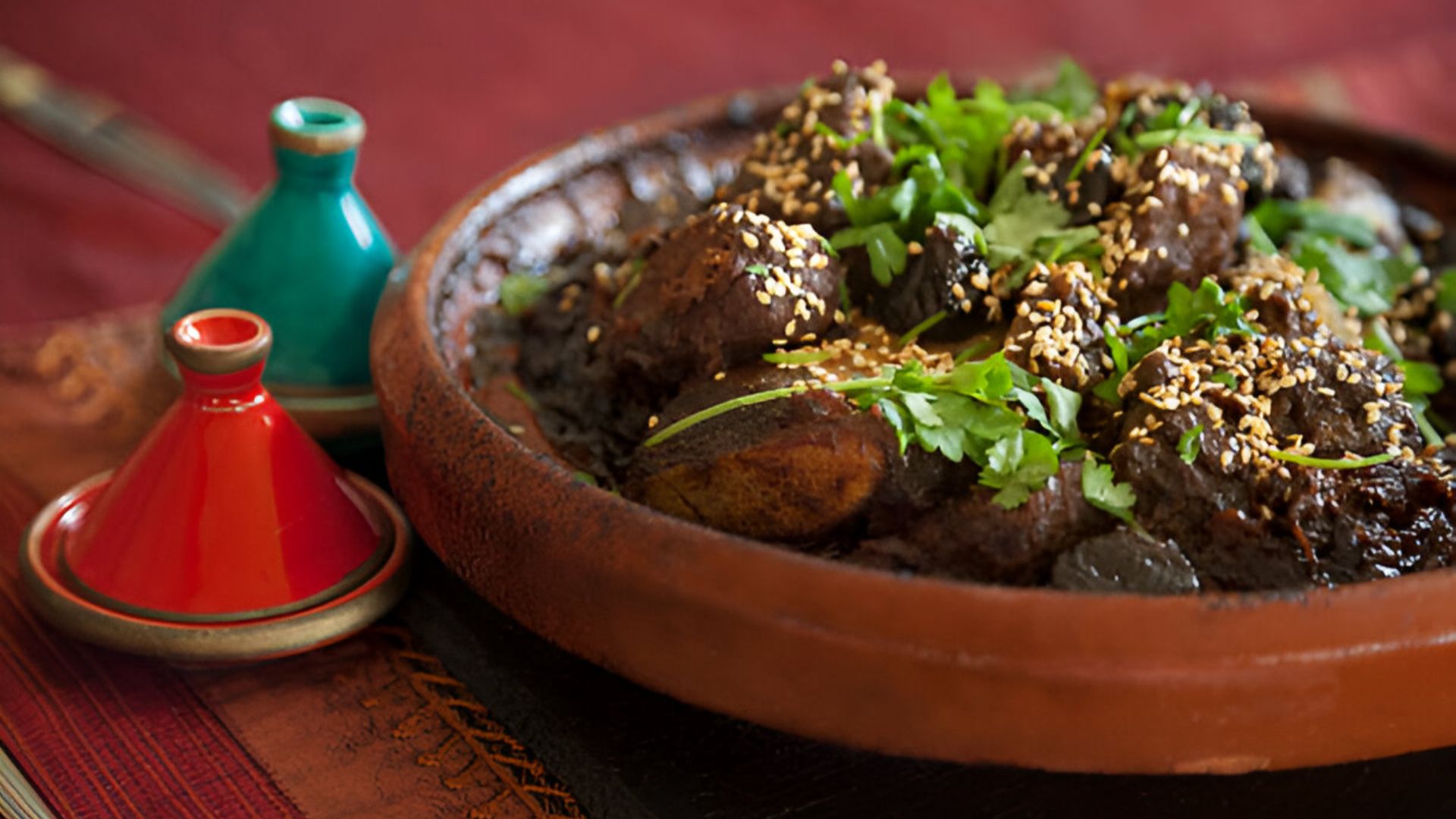
Did you know Morocco’s food is a mix of Arab, Mediterranean, and African tastes? This makes it a special place for food lovers. In Marrakech, you’ll see why a Morocco food tour is unforgettable. Moroccan dishes are full of rich flavors, smells, and spices.
Going on a Morocco food tour lets you dive into the local culture and traditions. You’ll enjoy traditional Moroccan cuisine and explore the lively souks. This food adventure will give you memories to last a lifetime.
Key Takeaways
- Experience the rich flavors and aromas of Moroccan cuisine.
- Explore the vibrant city of Marrakech and its bustling souks.
- Discover the cultural significance of traditional Moroccan dishes.
- Savor local specialties and drinks.
- Immerse yourself in the local culture and traditions.
Introduction to Moroccan Cuisine
Moroccan cuisine is a mix of flavors and traditions. It shows the country’s rich history and cultural diversity. This diversity comes from many influences over the years.
Traditional Moroccan cuisine is known for its bold flavors and vibrant colors. It offers a unique taste experience. The use of spices and herbs makes it both exotic and inviting.
The Rich Heritage of Moroccan Food
Moroccan cuisine has a deep heritage. It combines Arab, Mediterranean, and African cooking traditions. The country’s location has made it a meeting point for cultures, creating a diverse culinary identity.
The history of Moroccan dishes is tied to the country’s culture and social life. Meals are seen as chances to unite people. They promote community and hospitality.
Influences that Shape Moroccan Dishes
The influences on Moroccan food come from many places. Arab and Mediterranean flavors are seen in the spices used. Mediterranean touches are found in olives, olive oil, and preserved lemons.
African and European influences have also shaped Moroccan cuisine. They’ve brought new ingredients and cooking methods. This mix of flavors and traditions makes Moroccan cuisine unique.
The Unique Flavors of Marrakech
Exploring Marrakech reveals a world of flavors as vibrant as its markets. The city’s food scene reflects Morocco’s rich culture, blending old and new.
The bold use of spices and aromas is key to Moroccan cooking. Spices like cumin, coriander, and cinnamon are essential in Marrakech’s dishes.
Spices and Aromas You Can’t Miss
Marrakech is a paradise for flavor enthusiasts. Its markets overflow with spices, including:
- Ras el hanout, a mix of over 30 spices that enriches many dishes.
- Cumin and coriander, found in many tagines and stews.
- Cinnamon, adding warmth and sweetness to both savory and sweet dishes.
These spices, along with fresh ingredients and traditional cooking, define Marrakech’s unique flavors.
Signature Dishes of Marrakech
Marrakech is famous for its signature dishes. These dishes highlight the city’s culinary skills. Some must-try dishes are:
- Tagine, a slow-cooked stew made with meat, vegetables, and dried fruits, cooked in a clay pot.
- Couscous, a traditional North African dish from semolina flour, often served with vegetables and meat.
- Pastilla, a savory pie with layers of flaky pastry, meat, onions, and spices, served as an appetizer or dessert.
These dishes showcase Moroccan cuisine’s complexity. They also show how Marrakech blends traditional flavors with modern twists.
Must-Try Dishes in Marrakech
Marrakech is famous for its lively culture and tasty food. It has many dishes that will excite your taste buds. Some dishes are known for their flavor, cultural importance, and how they’re made.
Couscous: A Staple of Moroccan Culture
Couscous is more than food in Morocco; it’s a way to connect families and communities. It’s made from semolina flour, water, and salt. It’s served with veggies, meats, and sauces.
Couscous is very versatile. You can have it for simple meals or big feasts. When in Marrakech, trying couscous is a must. It’s a taste of Morocco’s rich food traditions.
Tagine: The Iconic Slow-Cooked Delight
The tagine is a famous Moroccan dish named after its cooking pot. It’s known for its rich flavors, tender meat, and spices.
Tagines can have chicken, beef, lamb, or veggies. They’re cooked slowly over low heat. This makes the dish flavorful and comforting, a must-try in Marrakech.
Pastilla: A Sweet and Savory Treat
Pastilla is a Moroccan pie with sweet and savory flavors. It’s made with layers of dough, meat, onions, and spices. Pastilla is a complex and intriguing dish.
The mix of ingredients and slow cooking make pastilla special. It’s a standout in Marrakech’s food scene.
Street Food Adventures in Marrakech
In Marrakech, street food is more than just food. It’s a way to dive into the local culture. As we walk through the busy streets, the smells and tastes of local dishes invite us to explore.
Exploring Jemaa el-Fnaa: A Gastronomic Hub
Jemaa el-Fnaa is the heart of Marrakech’s street food. This historic square turns into a lively food market during the day. It offers a wide range of dishes for every taste. From traditional Moroccan dishes to international flavors, Jemaa el-Fnaa is a mix of culinary wonders.
Walking through the square, the sounds of sizzling food and vendor chatter fill the air. The smell of grilled meats and spices draws people in, making them want to try the local food.
Culinary Must-Haves from Food Stalls
The food stalls in Jemaa el-Fnaa have dishes you must try. Here are some top picks:
- Grilled Meats: Skewers of marinated meat, grilled to perfection, are a staple of Marrakech’s street food.
- Fresh Juices: Refreshing drinks made from local fruits like orange and pomegranate are perfect for hot days.
- Traditional Snacks: Local specialties such as ma’amoul (shortbread-like cookies filled with dates or nuts) offer a sweet treat.
Trying these dishes lets us experience the rich flavors and traditions of Marrakech’s street food. Whether you love food or just want to try something new, Jemaa el-Fnaa is a place that promises a memorable food adventure.
Traditional Moroccan Dining Etiquette
Moroccan dining etiquette is a mix of tradition, hospitality, and community. When we enjoy Moroccan cuisine, we’re not just eating. We’re part of a cultural tradition that has grown over centuries.
At the core of Moroccan dining is sharing meals. This is deeply rooted in the country’s culture. Mealtimes are for strengthening family and friend bonds and making new connections. The communal aspect of dining is seen in the traditional setup. Everyone sits around a low table, with dishes in the center for everyone to share.
The Art of Sharing and Socializing
In Morocco, dining is more than eating; it’s about warmth and hospitality. When we eat, we use our right hand, as the left is seen as unclean. This custom makes dining more personal and engaging.
Sharing food is key in Moroccan etiquette. Dishes are in the center of the table. It’s customary to give the best pieces to hosts or honored guests. This gesture of respect shows appreciation for the meal’s effort.
Tools and Customs of Moroccan Meals
Moroccan meals use traditional tools and customs. Meals are eaten from a communal dish, with bread used to pick up food. Tagines, clay pots with conical lids, are used to slow-cook stews and dishes.
| Custom | Description | Significance |
|---|---|---|
| Using the Right Hand | Eating with the right hand, as the left is considered unclean. | Reflects local hygiene practices and enhances the dining experience. |
| Sharing Food | Dishes are placed in the center, and food is shared among diners. | Fosters a sense of community and respect among diners. |
| Traditional Utensils and Dishes | Use of tagines and other traditional cooking vessels. | Adds to the authenticity and uniqueness of Moroccan dining. |
For more insights into Morocco’s rich culinary heritage, check out our article on Moroccan food and its heart of, which explores the flavors and spices that define it.
The Role of Tea in Moroccan Culture
Tea is more than a drink in Moroccan culture. It’s a key part of the country’s heritage. For centuries, tea has shown warmth, generosity, and friendship.
In Morocco, making and serving tea is a special ritual. The traditional Moroccan mint tea is a favorite in every home. It’s often given to guests as a sign of respect and welcome.
The Ceremony of Moroccan Mint Tea
The Moroccan mint tea ceremony is filled with tradition. The tea is made in a special teapot called a “berrada.” It includes green tea leaves, fresh mint, and sugar.
The tea is poured from high up to make a frothy top. This froth is seen as a key part of the tea’s serving.
The tea ceremony is about more than just the tea. It’s about sharing stories and enjoying each other’s company. Family and friends come together, making it a communal experience.
Pairing Tea with Moroccan Sweets
Moroccan sweets are a big part of the tea experience. Sweets like “baklava,” “ghriba,” and “ma’amoul” are often served with tea. They add a delightful contrast of flavors and textures.
The choice of sweets with tea is thoughtful. The sweetness of the pastries is balanced by the mint tea’s refreshing taste. This creates a perfect culinary experience.
| Traditional Moroccan Sweets | Description | Pairing Recommendation |
|---|---|---|
| Baklava | A pastry made with layers of phyllo dough, nuts, and honey. | Pairs well with Moroccan mint tea for its sweet and refreshing contrast. |
| Ghriba | A shortbread-like cookie often flavored with nuts or coconut. | Complements the tea with its crumbly texture and subtle flavors. |
| Ma’amoul | A shortbread-like cookie filled with dates or nuts. | Enjoyed with tea for its rich, buttery flavor and tender texture. |
Visiting Local Markets for Authentic Ingredients
Marrakech’s local markets are a must-see for anyone interested in Moroccan food culture. Here, you’ll find fresh produce, aromatic spices, and more. These ingredients are key to traditional Moroccan dishes.
Exploring these markets lets you see, smell, and taste the real ingredients of Moroccan food. You’ll find colorful stalls with fresh fruits and veggies. There are also vendors with spices and herbs, making the markets a culinary paradise.
Essential Markets to Explore in Marrakech
Marrakech has many lively markets, each with its own vibe and goods. Some essential markets to visit are:
- Jemaa el-Fnaa: Known for food stalls, it also has vendors selling spices and ingredients.
- Souk Semmarine: Offers fresh produce, spices, and handicrafts.
- Rahba Lakbir: Famous for its spice vendors, it’s perfect for authentic Moroccan spices.
When you’re there, talk to the vendors. They love to share their knowledge of the ingredients and products.
What to Look for When Shopping
When shopping in Marrakech’s markets, look for quality. Check the freshness, aroma, and colors of the produce and spices. These signs show you’re getting the best.
Also, ask vendors about their products. They can tell you a lot about the ingredients. And don’t forget to haggle, as it’s common in Marrakech’s markets.
By following these tips, you’ll get the best ingredients for your cooking or to take home.
Cooking Classes and Culinary Experiences
To really get Moroccan food, try a cooking class. You’ll learn from local chefs and master traditional ways. Marrakech has many cooking classes for all interests and skill levels.
Learning from Local Chefs
Local chefs in Marrakech love to share their Moroccan cooking knowledge. In a cooking class, you’ll learn from chefs who know their stuff. They’ll teach you how to pick the best ingredients, use spices, and cook like they do.
Key benefits of learning from local chefs include:
- Gaining insight into traditional Moroccan cooking methods
- Understanding the importance of ingredient selection and preparation
- Learning how to prepare a variety of authentic Moroccan dishes
Improving Your Skills with Traditional Techniques
Cooking classes in Marrakech help you get better at cooking. You’ll learn to make dishes like tagines and pastries the traditional way. By the end, you’ll feel confident making these dishes at home.
Some of the traditional techniques you’ll learn include:
- Preparing couscous from scratch
- Cooking tagines using traditional clay pots
- Making Moroccan pastries and desserts
By learning both theory and practice, you’ll love Moroccan food even more. You’ll also be able to cook for your friends and family.
Popular Food Tours in Marrakech
Exploring Marrakech through food tours is unique. It mixes flavors, cultures, and traditions. Marrakech has many culinary tours for all tastes, making sure every food lover finds their perfect match.
Selecting the Right Tour for You
Choosing the right food tour in Marrakech can be tough. Think about what you want from your tour. Do you want to try local street food, learn about Moroccan cuisine, or dive into the city’s food culture? Some tours focus on markets or cooking classes.
When picking a tour, look for guides who love Moroccan food. They can share the history and making of dishes, making your tour better.
What to Expect from a Food Tour
A typical Marrakech food tour takes you to different places. You’ll see street food stalls and local restaurants. You’ll taste dishes like tagines, couscous, and pastilla. Many tours also visit local markets, where you can see fresh produce and spices.
Most tours are guided, giving you a deeper look into food and culture. You’ll meet local chefs and food vendors. They’ll share their cooking methods and traditions.
| Tour Type | Duration | Highlights |
|---|---|---|
| Street Food Tour | 3 hours | Sampling local street food, visiting Jemaa el-Fnaa |
| Culinary Culture Tour | 5 hours | Exploring local markets, learning about Moroccan cuisine |
| Cooking Class Tour | 6 hours | Participating in a cooking class, preparing traditional dishes |
Vegan and Vegetarian Options in Marrakech
Marrakech’s food scene is more welcoming than you might think. It offers many vegan and vegetarian choices. This shows how Moroccan cuisine is changing to meet different tastes.
Catering to Plant-Based Diets
Moroccan food is known for its bold flavors and spices. Many dishes are already vegan or vegetarian-friendly. This makes Marrakech a great place for those on plant-based diets.
The use of fresh veggies, herbs, and spices in Moroccan cooking makes vegan and vegetarian food tasty. You can find everything from hearty stews to fresh salads.
Notable Dishes for Vegans and Vegetarians
Here are some top picks for vegans and vegetarians in Marrakech:
- Vegetable Tagine: A slow-cooked stew with veggies, dried fruits, and spices.
- Couscous with Vegetables: A North African dish from semolina flour, served with steamed veggies.
- Msemen: A square pancake, sometimes filled, enjoyed with tea.
- Zaalouk: A rich eggplant stew with tomatoes, garlic, and spices.
| Dish | Description | Vegan/Vegetarian |
|---|---|---|
| Vegetable Tagine | Slow-cooked stew with vegetables and spices | Vegan |
| Couscous with Vegetables | Traditional dish with semolina flour and steamed vegetables | Vegan |
| Msemen | Square-shaped pancake, can be with or without fillings | Vegetarian (can be vegan) |
| Zaalouk | Eggplant stew with tomatoes, garlic, and spices | Vegan |
Marrakech’s food scene shows the city’s cultural diversity. It’s great for vegans, vegetarians, or anyone wanting to try plant-based food. Marrakech has something for everyone.
Desserts and Sweets: A Sweet Finish
Moroccan pastries are a mix of sweet and savory, making them unique. In Marrakech, desserts offer a mix of traditional and new flavors. They show the warm hospitality of Moroccan culture.
Exploring Moroccan Pastries and Confections
Moroccan pastries are famous for their designs and flavors. They use almonds, honey, and orange blossom water. The Ghoriba is a must-try, with its crumbly and chewy texture.
The M’hencha is another favorite. It’s filled with almond paste and topped with honey. This creates a sweet and nutty taste.
Traditional Sweets to Try
In Marrakech, don’t miss these traditional sweets:
- Chebakia: A sweet pastry with honey, sesame seeds, and spices, enjoyed on special days.
- Khobz: Not sweet by itself, but great with honey or jam.
- Makroud: A date-filled pastry with orange blossom water.
| Dessert | Main Ingredients | Description |
|---|---|---|
| Ghoriba | Almonds, sugar, flour | A crumbly cookie with a rich almond flavor. |
| M’hencha | Almond paste, honey, dough | A pastry filled with almond paste and topped with a honey glaze. |
| Chebakia | Honey, sesame seeds, spices | A sweet, spiced pastry made with honey and sesame seeds. |
Tips for an Unforgettable Food Tour
To make the most of your culinary journey in Marrakech, consider these essential tips. A food tour is not just about sampling local cuisine. It’s an immersive experience that combines culture, history, and social interaction.
Best Times to Visit Marrakech for Food
Marrakech is a year-round destination, but the best time to visit for a food tour depends on your preferences. Spring (March to May) and Autumn (September to November) are ideal. The weather is mild, perfect for exploring the city’s culinary delights.
During these periods, the markets are vibrant, and the variety of fresh produce is at its peak. If you’re looking to experience the local culture fully, consider visiting during food festivals or special culinary events, which often take place in these seasons.
- Spring: Enjoy fresh produce and blooming flowers.
- Autumn: Experience the harvest season with a wide variety of fruits and vegetables.
Packing Essentials for Food Lovers
When preparing for your food tour in Marrakech, packing the right items can enhance your experience. Here are some essentials to consider:
| Item | Description | Importance |
|---|---|---|
| Comfortable Shoes | For walking through markets and souks | High |
| Reusable Water Bottle | To stay hydrated throughout the day | High |
| Sun Protection | Sunscreen, hat, and sunglasses for outdoor exploration | Medium |
| Power Bank | For keeping your devices charged | Medium |
| Local Currency | For purchasing food and souvenirs | High |
By being prepared and knowing the best times to visit, you can ensure that your food tour in Marrakech is both enjoyable and memorable.
Conclusion: The Culinary Journey Awaits
As we wrap up our culinary journey in Marrakech, we hope you now appreciate the city’s rich flavors and culture. Marrakech’s lively food scene, deep traditions, and friendly people make it unforgettable. You’ll leave with memories that will last a lifetime.
Discovering the Essence of Moroccan Cuisine
Moroccan cuisine reflects the country’s diverse cultural influences. The aromatic spices and slow-cooked tagines tell stories of tradition and community. By embracing these flavors, you’ll understand the local culture better.
Experience Marrakech’s Magic
Now, it’s time to try Moroccan cuisine for yourself. Booking a food tour is a great way to dive into the local culture. You’ll learn about cooking techniques and taste the city’s best dishes. We urge you to book your food tour today and explore Marrakech’s magic.