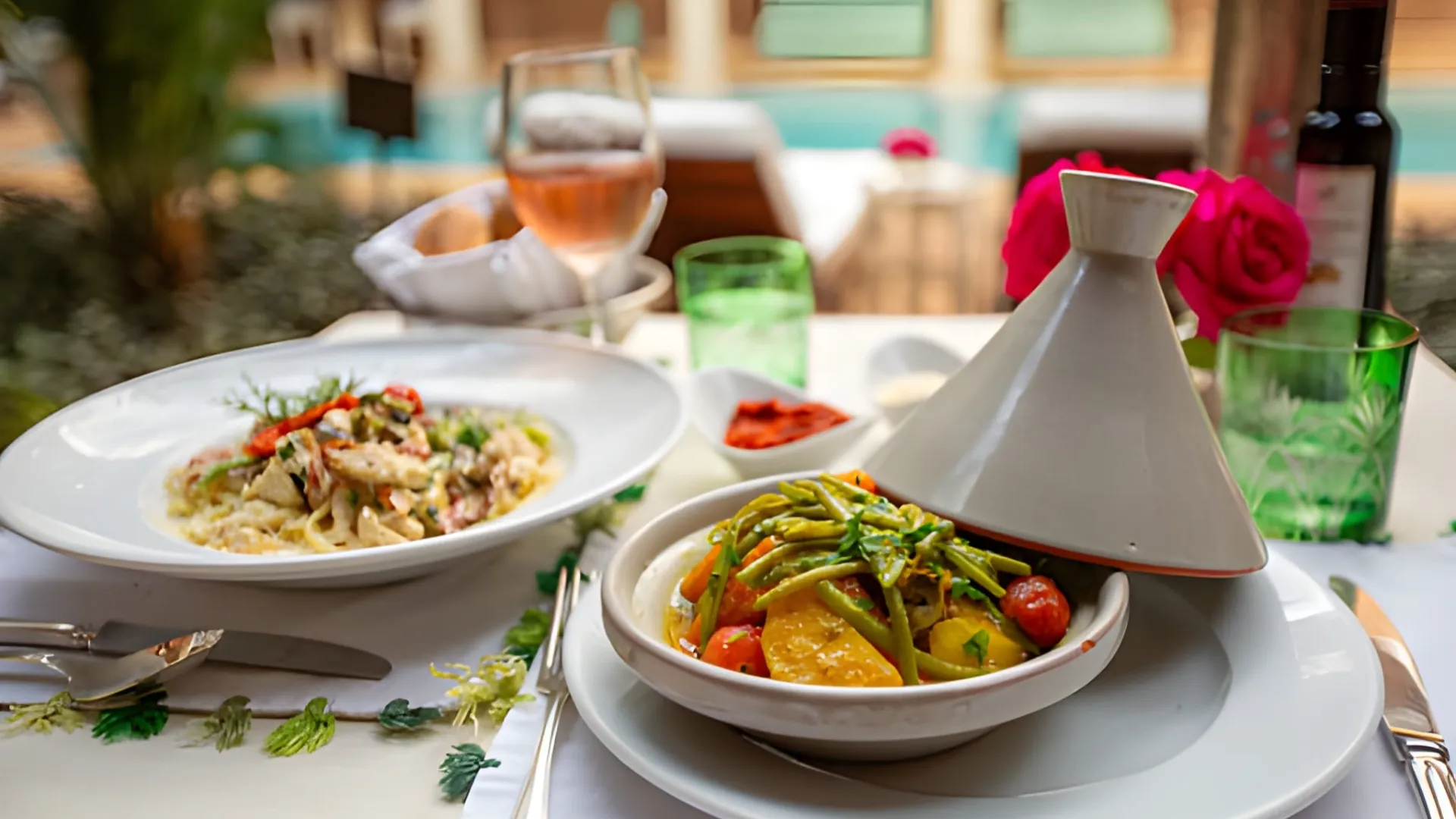
Typical Moroccan Food: A Journey Through Flavor & Tradition
Imagine walking through Marrakech’s lively markets. The air is filled with the smells of Moroccan cuisine. You hear sizzling meat and see colorful pastries, making for a memorable experience.
Exploring Moroccan dishes reveals a mix of cultures. Arab, Mediterranean, and African traditions blend here. From rich tagines to sweet pastries, Moroccan flavors will excite your senses and make you crave more.
Key Takeaways
- Discover the rich cultural heritage behind Moroccan cuisine
- Explore the diverse flavors and ingredients used in traditional Moroccan dishes
- Learn how to prepare authentic Moroccan meals in your own kitchen
- Experience the vibrant atmosphere of Moroccan markets and cuisine
- Uncover the secrets to creating delicious and aromatic Moroccan tagines and pastries
Introduction to Moroccan Cuisine
Exploring Moroccan cuisine is like a journey through a world of flavors. It’s shaped by the country’s rich cultural history. Different cultures have mixed their ways, creating a unique taste.
A Fusion of Cultures and Flavors
Moroccan food is a mix of Arab, Mediterranean, and African tastes. You can see this in the spices, cooking methods, and ingredients. Arab cuisine’s spices like cumin and cinnamon are big in Moroccan dishes.
The Mediterranean diet’s influence is clear in the use of olive oil and lemons. African traditions add bold flavors with ingredients like peanuts and ginger. Moroccan cooking is all about moroccan culinary traditions that have evolved over time.
The Influence of Geography on Food
Morocco’s varied landscapes, from mountains to coast, affect its food. Ingredients differ by region, leading to local favorites. Coastal areas are famous for seafood, while mountains offer hearty dishes like tagines and couscous.
Ingredients like olives and preserved lemons are key in traditional moroccan food. They add to the richness of authentic moroccan recipes. Trying these recipes helps you understand Moroccan culture and its people.
“The discovery of a new dish does more for human happiness than the discovery of a new star.” This quote captures the excitement of discovering Moroccan cuisine’s many flavors.
| Region | Specialties | Key Ingredients |
|---|---|---|
| Coastal | Seafood dishes, Grilled Fish | Fresh Fish, Olive Oil, Lemons |
| Mountainous | Tagines, Couscous | Meat, Vegetables, Grains |
Ample Use of Spices in Moroccan Dishes
Moroccan food is known for its unique taste, thanks to the use of spices. These spices are mixed in special ways to create amazing flavors. You’ll find this in everything from savory tagines to sweet pastries.
Common Spices in Moroccan Cooking
Moroccan cooking uses a wide range of spices. Each spice adds its own flavor and smell. Common spices include cumin, coriander, cinnamon, ginger, and turmeric. They’re mixed in different ways to make Moroccan dishes special.
- Cumin and coriander give dishes a warm, earthy taste.
- Cinnamon adds a sweet and warm flavor.
- Ginger brings a spicy and refreshing taste.
- Turmeric is known for its bright yellow color and slightly bitter taste.
Food historian Paula Wolfert says, “The art of Moroccan cooking is about blending spices well.” This is true for many Moroccan dishes. The right spices make the flavors and textures better.
“The secret to Moroccan cooking lies in the harmonious balance of spices, which not only tantalize the taste buds but also reflect the rich cultural heritage of the country.”
Health Benefits of These Spices
The spices in Moroccan cooking are good for you, too. Many of these spices have anti-inflammatory and antioxidant effects. They also have other health benefits.
| Spice | Health Benefits |
|---|---|
| Turmeric | Contains curcumin, which has potent anti-inflammatory and antioxidant properties. |
| Ginger | Aids digestion and has anti-inflammatory compounds. |
| Cumin | Rich in antioxidants and may improve digestion. |
| Cinnamon | Has anti-inflammatory properties and can help lower blood sugar levels. |
Using these spices in your cooking makes your dishes taste better. It also helps your health and well-being.
Famous Moroccan Dishes You Must Try
Morocco’s flavors are as varied as its landscapes. Its dishes will excite your taste buds. Moroccan food is a mix of flavors, shaped by its culture and geography.
Exploring Moroccan cuisine, you’ll find iconic dishes to try. These dishes show off Moroccan flavors and traditions.
Tagine: The Heart of Moroccan Cuisine
Tagine is a favorite in Morocco, named after its cooking pot. It’s a slow-cooked stew with meat, veggies, and dried fruits. This dish is versatile, good for chicken, beef, lamb, or veggies.
Key ingredients in a traditional tagine include:
- Meat or vegetables
- Dried fruits like prunes or apricots
- A blend of spices, including cumin, coriander, and cinnamon
- Preserved lemons for added tanginess
Couscous: A Staple Dish
Couscous is a key dish in Morocco, made from semolina flour. It’s served with veggies, meat, and sauce. Making couscous is an art, steaming the flour for the right texture.
Couscous is a big deal on special occasions. It’s a symbol of Moroccan hospitality. You can top it with many things, like veggie stews or meat dishes.
Pastilla: A Sweet and Savory Delight
Pastilla is a unique Moroccan dessert. It’s both sweet and savory, with layers of pastry, nuts, and spices. It’s filled with meat or seafood, making it a fascinating dish.
The process of making pastilla involves:
- Preparing the filling, which can include meat, onions, and spices
- Layering the filling with flaky pastry
- Baking until golden and serving with powdered sugar
Trying these famous Moroccan dishes will deepen your appreciation for Moroccan cuisine. Whether cooking at home or eating out, these dishes will impress you.
Street Food Culture in Morocco
Street food in Morocco is more than just a meal. It’s an experience that shows the country’s rich culinary heritage. As you walk through Marrakech or Fez, the smells of grilled meats and fresh bread will grab your attention. They draw you into the lively world of Moroccan food culture.
Street snacks in Morocco are very popular. Both locals and tourists go to street vendors for a quick, tasty taste of real Moroccan food. Some of the most popular street snacks include:
- Kebabs, marinated in spices and grilled to perfection
- Msemen, a pancake filled with spices, onions, and sometimes meat
- Freshly squeezed orange juice, a refreshing drink for hot days
Popular Street Snacks
Kebabs are a favorite, with their rich flavors and tender texture. The art of making kebabs shows the authentic Moroccan recipes passed down through generations. Another snack getting more popular is msemen, often enjoyed with mint tea, a big part of Moroccan daily life.
| Snack | Description | Price Range |
|---|---|---|
| Kebabs | Marinated meat grilled to perfection | $2-$5 |
| Msemen | Pancake filled with spices and sometimes meat | $1-$3 |
| Orange Juice | Freshly squeezed juice | $1-$2 |
Experiencing Food Markets
Visiting local food markets, or souks, is key to exploring Moroccan street food culture. These markets offer a wide range of traditional dishes and a chance to talk to local vendors. Walking through the crowded alleys, you’ll enjoy a feast of colors, smells, and tastes that show the best of famous Moroccan dishes.
“The souks of Morocco are a culinary journey through the country’s rich gastronomic heritage, where every bite tells a story.”
By diving into the street food culture and visiting local markets, you’ll understand Morocco’s culinary traditions better. Whether you’re trying street snacks or exploring souks, your experience will be unforgettable. It will be filled with the flavors and warmth of this amazing culture.
The Role of Bread in Moroccan Meals
Bread is key in Moroccan culinary traditions. It’s not just a side dish; it’s a vital part of meals. It brings people together and adds flavor to many dishes.
Bread has been a big part of Moroccan life for centuries. It’s not just for eating; it’s also important in cultural and social events. The art of making bread is a big part of traditional Moroccan food. Different areas have their own special ways of making bread.
Types of Bread in Moroccan Cuisine
Moroccan cuisine has many kinds of bread, each with its own taste and texture. Some popular ones are:
- Khobz: A crusty bread often baked in communal ovens, serving as a staple in Moroccan households.
- Msemen: A square-shaped flatbread, often served with a variety of fillings, from savory meats to sweet honey.
- Baghrir: A type of pancake made with yeast and flour, characterized by its numerous tiny holes, making it perfect for soaking up butter and honey.
To learn more about Moroccan breads, check out The Perfect Loaf. It gives great insights into the variety of breads in Morocco.
Traditional Bread-Making Techniques
The art of bread-making in Morocco is a tradition passed down through generations. It involves:
- Using communal ovens, where neighbors gather to bake their bread, fostering a sense of community.
- Employing age-old methods, such as hand-kneading dough and allowing it to ferment naturally.
- Incorporating local ingredients, like semolina flour and olive oil, to create authentic flavors.
Exploring Moroccan culinary traditions shows that bread is more than food. It’s a sign of hospitality and warmth. Whether you’re eating with locals or baking Moroccan bread, you’re joining a tradition rich in history and taste.
Iconic Moroccan Beverages
Exploring Morocco’s rich culinary world shows how drinks are key in its culture and daily life. Moroccan food is famous for its tasty dishes and refreshing drinks. These drinks make every meal special.
Mint Tea: The National Drink
Mint tea, or “Atay,” is more than a drink in Morocco. It’s a big part of the country’s culture and social events. It’s made with green tea, fresh mint, and sugar, creating a cool and fragrant drink.
This drink is served all day, showing hospitality and friendship. Making mint tea is an art, with the tea poured high to make a frothy top. This method cools the tea and adds to the ceremony of serving it. You’ll often get mint tea as a welcome when visiting Moroccan homes or riads.
Fresh Juices and Smoothies
Morocco is also known for its fresh juices and smoothies. These are made from local fruits like oranges, pomegranates, and dates. They’re great for hot days and are a refreshing pick-me-up.
Freshly squeezed orange juice is a favorite in Moroccan homes and cafes. The country’s oranges are sweet and juicy, making for a tasty drink. You’ll also find smoothies blending fruits with yogurt or milk, creating a creamy and healthy drink.
Exploring Moroccan beverages gives a unique look into the country’s culture and traditions. Whether it’s mint tea or a fresh juice, these drinks are a big part of the Moroccan culinary experience.
Vegetarian and Vegan Options in Moroccan Food
You don’t have to love meat to enjoy Moroccan food. There are many vegetarian and vegan options to try. Moroccan cuisine is known for its rich flavors and diverse dishes, perfect for plant-based diets.
Moroccan culinary traditions are deeply rooted in the country’s culture. This is seen in its vegetarian and vegan dishes. Many traditional recipes use vegetables, legumes, and grains, making them great for vegetarians and vegans.
Traditional Dishes for Plant-Based Diets
Some of the tastiest Moroccan dishes are vegetarian or vegan. For example, vegetable tagine is a classic. It combines various vegetables with spices, all cooked in a clay pot. Another favorite is couscous with preserved lemons, which is vegan-friendly.
- Msemen filled with herbs and spices is a popular Moroccan pancake that is often vegetarian.
- Zaalouk, a rich eggplant stew, is another favorite among vegetarians and vegans.
- Harira, a traditional Moroccan soup, is often made without meat, using tomatoes, lentils, and chickpeas.
These dishes show the diversity and richness of Moroccan cuisine. They offer many options for those following plant-based diets.
Creative Twists on Classic Recipes
You can also put creative twists on classic Moroccan recipes. For example, you can make a vegan version of chickpea tagine by substituting ingredients and adjusting spices.
“The art of cooking is not just about recipes, but about the love and care you put into every dish.” – A Moroccan proverb.
Trying different spices and ingredients can lead to exciting new flavors. You might add harissa for a spicy kick or use preserved lemons for a tangy flavor.
- Try substituting meat with portobello mushrooms in traditional tagine recipes.
- Use canned chickpeas to make a quick and easy vegan harira.
- Experiment with different types of vegetables in your couscous dishes.
By adding these creative twists to your cooking, you can enjoy Morocco’s authentic flavors while following your dietary preferences.
Moroccan Sweets and Desserts
Explore the sweet side of Morocco, where flavors and traditions meet. Moroccan sweets and desserts are famous for their unique tastes and cultural importance. They show the country’s rich food history.
These treats are more than just yummy. They are also key to Moroccan hospitality. Moroccan desserts are a big part of family and special events, showing the country’s cultural roots.
Almond-Paste Sweets
Almond-paste sweets are a big hit in Morocco. Ghriba and makroud are favorites. They’re made with almonds, sugar, and eggs, and often have rose water or orange blossom water for extra flavor.
Making these sweets is a detailed process. The dough is shaped and decorated with care. They look as good as they taste, loved by both locals and tourists.
Traditional Pastries
Morocco’s pastries are a must-try. Baklava and kaab el ghzal are top choices. Baklava has layers of phyllo, nuts, and honey. Kaab el ghzal is a pastry filled with almond paste and powdered sugar on top.
These pastries are served at big events. They show Morocco’s deep food traditions. Making them is a family affair, with each family having their own secrets.
Regional Variances in Moroccan Cuisine
Exploring Moroccan cuisine reveals a world of regional flavors. Each area’s unique geography and culture shape its dishes. Moroccan food is a colorful mix of tastes, ingredients, and cooking styles.
The Influence of Berber Traditions
The Berbers have greatly influenced Moroccan food. They introduced key ingredients and cooking methods. Traditional Berber dishes often use local foods like barley, corn, and meats. These are cooked in ways like grilling and stewing.
Berber cuisine is known for its simplicity and use of local foods. A classic Berber tagine might have lamb, veggies, and dried fruits. These are slow-cooked in clay pots, creating deep flavors and honoring a long-standing tradition.
“The Berber culture is deeply rooted in the history of Morocco, and their culinary traditions continue to influence the country’s cuisine.” – A culinary historian
Coastal vs. Inland Culinary Styles
Morocco’s geography shapes its food. Coastal areas focus on seafood, with dishes like fresh fish and squid. In contrast, inland regions emphasize meat, like lamb and chicken, along with veggies and grains.
| Region | Primary Ingredients | Cooking Techniques |
|---|---|---|
| Coastal | Seafood, olives, preserved lemons | Grilling, frying |
| Inland | Lamb, chicken, grains, and vegetables | Stewing, slow-cooking |
Knowing about these regional differences can deepen your love for Moroccan cuisine. It lets you discover the rich variety of flavors and traditions that make Moroccan food so special.
Tips for Cooking Moroccan Food at Home
Now that you’ve explored Moroccan cuisine, it’s time to cook it at home. To cook authentic Moroccan recipes, stock your pantry with essential ingredients. This includes spices, grains like couscous, and preserved foods like olives and lemons.
Pantry Essentials
Must-have spices include cumin, coriander, cinnamon, and turmeric. These spices are key in many Moroccan dishes. Also, keep fresh ingredients like parsley, cilantro, and lemons ready.
Must-Have Cooking Tools
Having the right tools makes cooking Moroccan dishes easier. A traditional tagine pot is great for slow-cooking stews. A couscous steamer is essential for perfect couscous. You’ll also need a mortar and pestle for grinding spices and a large pot for stews.
With these essentials, you’re ready to make delicious Moroccan dishes. These dishes will take you on a culinary journey to Marrakech and beyond. Try out different Moroccan dishes and recipes to find your favorites.