Imagine yourself in a vibrant market. You’re surrounded by the aromas of exotic spices and the flavors of traditional dishes. Moroccan cuisine is a culinary experience like no other. It blends cultural influences from Africa, the Mediterranean, and the Middle East.
You’re about to embark on a journey through the essence of Moroccan food culture. You’ll discover iconic dishes and learn how to make them at home. With its rich tapestry of flavors, Moroccan cuisine offers a world of culinary delights waiting to be explored.
Key Takeaways
- Discover the cultural influences that shape Moroccan cuisine.
- Learn about the iconic dishes that define Moroccan food culture.
- Explore the rich flavors and spices that make Moroccan cuisine unique.
- Find out how to recreate authentic Moroccan dishes at home.
- Understand the significance of traditional cooking methods in Moroccan cuisine.
Introduction to Moroccan Cuisine
Exploring Moroccan cuisine reveals a rich mix of traditions. It shows the country’s diverse cultural background. Moroccan food is known for its bold flavors, aromas, and spices. These elements come together to make delicious, complex dishes.
The Essence of Moroccan Food
Moroccan cuisine is all about balancing flavors and textures. Traditional Moroccan dishes mix sweet and savory tastes. Honey, almonds, and dried fruits add to the richness of meats and veggies.
Spices, herbs, and other ingredients are chosen carefully. They create harmonious flavors in popular Moroccan recipes.
Aromatic spices are key in Moroccan cooking. They add depth and warmth to many dishes. Spices like cinnamon, ginger, cumin, and coriander shape the flavors of popular Moroccan recipes.
Cultural Influences on Moroccan Dishes
Moroccan cuisine is a mix of Arab, Mediterranean, and African traditions. Its strategic location has made it a hub for trade and cultural exchange. This has led to a diverse and rich cuisine.
The Arab influence is seen in the use of spices like saffron and cumin. Mediterranean and African traditions have shaped dishes like tagines and couscous. This diversity makes Moroccan cuisine fascinating and rewarding.
The Importance of Spices in Moroccan Cooking
Spices are essential in Moroccan cooking. They add depth, warmth, and complexity to various dishes. Ras el hanout, a blend of spices, is a key ingredient in many traditional Moroccan dishes.
The art of spice blending is highly valued. Different spice mixes create unique flavors. Moroccan cooks use spices to make a wide range of tastes, from warm cinnamon to bright cumin.
Traditional Moroccan Dishes
Moroccan cuisine is filled with traditional dishes that are both tasty and rich in history. These dishes showcase Morocco’s cultural heritage through their unique flavors and cooking methods.
The Iconic Tagine
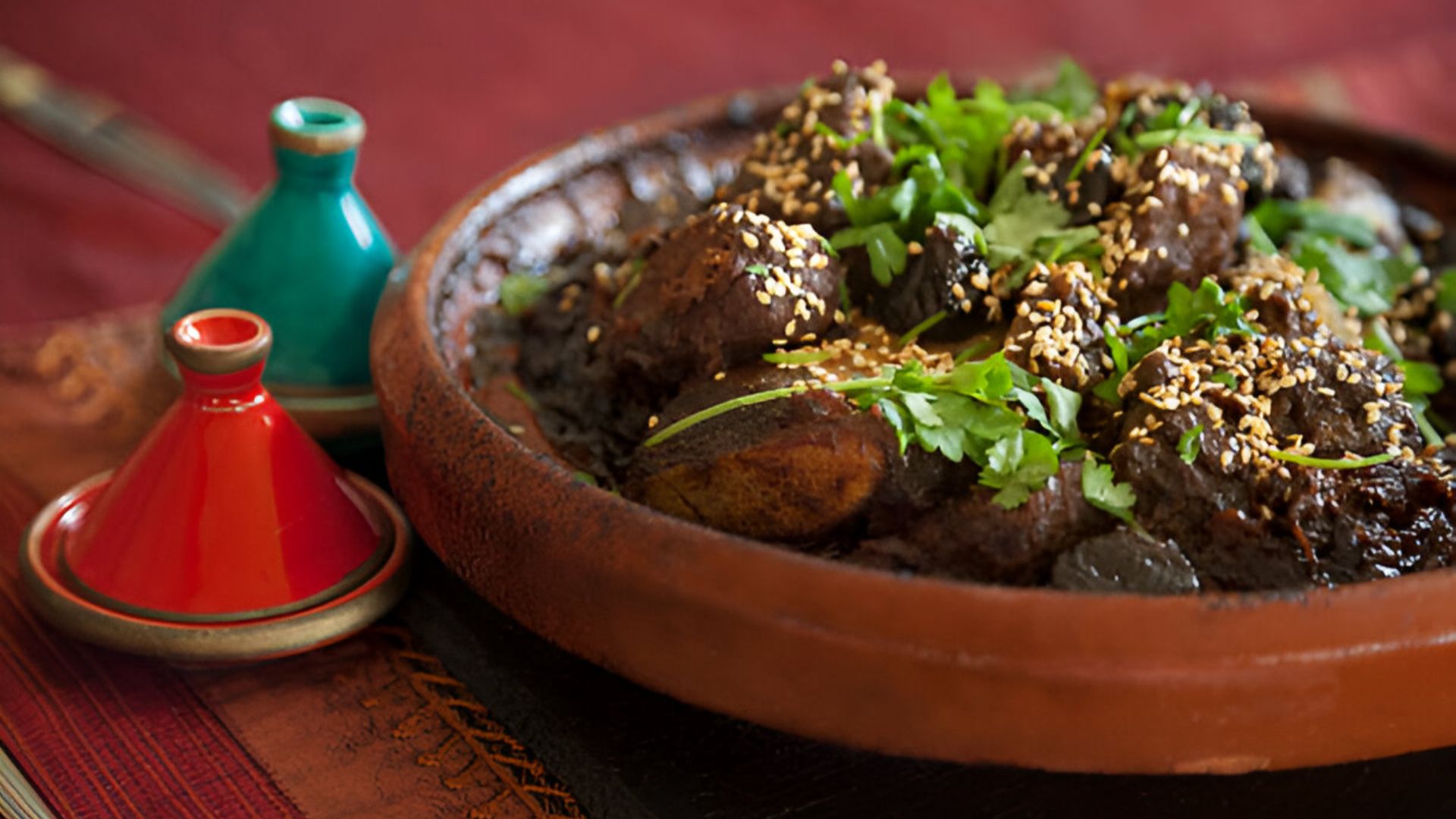
A tagine is more than a dish; it’s a cooking method and a special pot. The pot’s shape helps make the meat tender and flavorful. You can try different tagine recipes, like chicken and olives or lamb and prunes.
Key ingredients: Meat or poultry, dried fruits, nuts, and spices like cumin, coriander, and cinnamon.
Couscous: More Than Just a Side Dish
Couscous is a key part of Moroccan meals, not just a side. It’s made from semolina flour and steamed over a stew. You can enjoy it with various vegetables, meats, and sauces.
| Region | Couscous Variation | Common Pairings |
|---|---|---|
| Marrakech | Classic Semolina Couscous | Chicken, vegetables, and preserved lemons |
| Fez | Fine-Grained Couscous | Lamb, prunes, and almonds |
| Rabat | Herbed Couscous | Fish, olives, and capers |
Pastilla: A Sweet and Savory Delight
Pastilla is a Moroccan pie with layers of flaky pastry, meat, onions, and spices. It’s topped with powdered sugar and cinnamon. This dish offers a mix of sweet and savory flavors.
The cultural significance: Pastilla is a special dish for occasions and shows Moroccan hospitality.
Popular Spices in Moroccan Cooking
In Moroccan cooking, spices are key to making dishes flavorful. They add depth and warmth, showing Morocco’s rich culture. These spices have been passed down through generations.
“The spice trade has shaped Moroccan cuisine,” says a food historian. Influences from around the world have created a unique spice mix.
Cumin and Coriander
Cumin and coriander are staples in Moroccan cooking. They come from the parsley family and have a warm, earthy taste. Coriander also has a sweet, citrusy flavor. Cumin adds warmth and depth, while coriander brings a fresh, citrusy taste.
Together, they’re a key spice blend in Moroccan dishes like tagines and couscous. Their use shows Moroccan cooking’s focus on balance and harmony of flavors.
Saffron: The Golden Spice
Saffron, known as the “golden spice,” is prized for its color and flavor. It’s used sparingly in Moroccan cooking because of its high value. Its flavor is earthy and slightly sweet, making it versatile.
Saffron’s yellow color also makes dishes more appealing. It’s often used for special occasions and feasts.
Ras el Hanout: The Moroccan Spice Blend
Ras el hanout, or “head of the shop,” is a complex spice blend. It varies by recipe or vendor. This blend is essential in Moroccan cooking, used in tagines and grilled meats. A typical Ras el hanout mix includes over 30 spices, like cumin, coriander, cinnamon, and turmeric.
Ras el hanout’s beauty lies in its versatility and customization. It shows the spirit of Moroccan cuisine, where spice blending is both a science and an art.
The Role of Bread in Moroccan Meals
In Moroccan cuisine, bread is more than just a staple; it’s a cultural cornerstone that brings people together. For centuries, bread has been a key part of Moroccan meals. It plays a vital role in the country’s culinary traditions and cultural practices.
Types of Moroccan Bread
Moroccan cuisine offers a variety of bread types, each with its own unique characteristics and uses. The most common is Khobz, a round, crusty bread great for dipping in tagines or olive oil. Another favorite is M’semen, a thin, folded flatbread often enjoyed with honey or butter. Batbout, a soft, white bread, is perfect for making sandwiches or serving alongside meals.
Bread and Culture: A Staple Food
Bread is deeply ingrained in Moroccan culture, symbolizing hospitality and community. In Morocco, bread is always on the table, whether it’s a simple family dinner or a grand feast. Breaking bread is a significant gesture of friendship and respect, showing the country’s strong social bonds. Bread is also a staple food, often used to scoop up flavorful tagines and stews.
Common Bread Pairings with Dishes
Moroccan bread is incredibly versatile, pairing well with a wide range of dishes. For example, Khobz is often served with tagines, soaking up the rich, flavorful sauces. M’semen is enjoyed with a cup of tea or as a snack with honey and butter. Batbout is used to make delicious sandwiches, filled with grilled meats, vegetables, and spices. Understanding these pairings can enhance your appreciation of Moroccan cuisine and inspire you to try new recipes.
Moroccan Street Food to Try
Morocco’s street food is a mix of flavors, textures, and smells that will make you want more. As you walk through the busy streets, you’ll find many dishes. They show the country’s wide range of tastes.
Bghrir: The Moroccan Pancake
Bghrir, or Moroccan pancakes, are a favorite street food. They’re made from semolina flour, yeast, and water. These small pancakes are cooked on a griddle and often served with honey, butter, or jam.
Key Ingredients: Semolina flour, yeast, water, salt.
Brochettes: Grilled Meat Skewers
Brochettes are grilled meat skewers marinated in spices, herbs, and olive oil. They can be made with lamb, beef, or chicken.
Cooking Method: Grilled over charcoal, giving them a smoky flavor.
Maakouda: Savory Potato Fritters
Maakouda are savory potato fritters that are crispy outside and fluffy inside. They’re great as a snack or side dish.
Main Ingredients: Potatoes, onions, garlic, spices.
| Dish | Main Ingredients | Cooking Method |
|---|---|---|
| Bghrir | Semolina flour, yeast, water | Cooked on a griddle |
| Brochettes | Meat (lamb, beef, chicken), spices, herbs | Grilled over charcoal |
| Maakouda | Potatoes, onions, garlic, spices | Fried until crispy |
These Moroccan street foods give a taste of the country’s rich food culture. Whether you try bghrir, brochettes, or maakouda, you’ll enjoy Morocco’s flavors and hospitality.
Moroccan Drinks
Exploring Moroccan food culture reveals a variety of drinks that are key to the country’s traditions. Moroccan drinks are more than just a meal’s accompaniment. They are an experience that shows the rich culture and hospitality of the Moroccan people.
Traditional Mint Tea
Mint tea, or “Atay,” is a big part of Moroccan cuisine. It symbolizes hospitality and friendship. The tea is made with green tea, fresh mint, and sugar. It’s served in small glasses and enjoyed all day.
Preparation Method: To make traditional mint tea, you need green tea, fresh mint, and sugar. First, steep the tea leaves in boiling water. Then, add fresh mint and sugar. The tea is poured back and forth to make it frothy.
Fresh Fruit Juices
Fresh fruit juices are popular in Morocco. They’re made from fruits like oranges, lemons, and pomegranates. These juices are refreshing and full of nutrients.
- Orange Juice: Freshly squeezed orange juice is a common drink in Morocco, often enjoyed during breakfast.
- Pomegranate Juice: Pomegranate juice is rich in antioxidants and is considered a healthy choice.
Herbal Infusions: A Taste of Morocco
Herbal infusions are a big part of Moroccan culinary traditions. They offer a variety of flavors and health benefits. Popular ones include verbena and chamomile tea.
| Herbal Infusion | Flavor Profile | Health Benefits |
|---|---|---|
| Verbena | Sweet and citrusy | Aids digestion and reduces stress |
| Chamomile | Mild and soothing | Promotes relaxation and improves sleep quality |
Exploring Moroccan drinks is a journey into the heart of the country’s food culture. Whether it’s traditional mint tea, fresh fruit juices, or herbal infusions, each drink offers a unique taste of Morocco’s rich culinary heritage.
Dining Etiquette in Morocco
To fully enjoy Moroccan cuisine, understanding local dining etiquette is key. Moroccan dining shows the country’s rich culture and warm hospitality.
A Unique Experience of Sharing Meals
In Morocco, meals are a time to connect with family and friends. Sharing food is a big part of Moroccan culture, showing unity and togetherness. Dining with locals means enjoying a lively atmosphere where everyone shares the joy.
Key aspects of sharing meals in Morocco include:
- Food is served in the center of the table, and everyone gathers to share.
- Meals are eaten with hands, using bread as a utensil, making it a communal experience.
- Sharing food shows generosity and respect towards guests.
The Importance of Table Manners
Respecting table manners is vital when dining in Morocco. Simple gestures can greatly impact how you’re seen by your hosts.
Here are some essential table manners to keep in mind:
- Always wash your hands before and after eating, as meals are often eaten by hand.
- Use your right hand when eating or giving/receiving something, as the left hand is considered impolite.
- Wait for the host to indicate where to sit and when to start eating.
Food Customs and Traditions
Moroccan cuisine is filled with customs and traditions that enrich the dining experience. From meal preparation to eating, every step holds cultural significance.
Some notable customs include:
- The preparation of traditional dishes like tagine involves a slow-cooking process that fills the home with inviting aromas.
- The significance of certain ingredients and spices, which are believed to have medicinal properties or symbolic meanings.
- The role of food in celebrations and special occasions where traditional dishes are often at the forefront.
By embracing these customs and traditions, you can improve your dining experience in Morocco. You’ll also make meaningful connections with the locals.
Seasonal Ingredients in Moroccan Cooking
In Moroccan cuisine, using seasonal ingredients shows the country’s love for local harvests and green cooking. As you explore Moroccan flavors, you’ll see how seasons change the ingredients in traditional dishes.
The Fresh Produce of Each Season
Moroccan cuisine loves the freshest produce of each season. In spring, you’ll find lots of fresh herbs like parsley and cilantro. Early vegetables like tomatoes and peppers are also common.
Summer brings a variety of fruits, including figs and grapes. These are often used in salads or as desserts. Autumn is for root vegetables and pomegranates, adding flavor and color. Winter offers citrus fruits and hardy greens for hearty stews and soups.
Using seasonal ingredients makes dishes fresh. It also helps local farmers and cuts down on carbon emissions from transporting produce.
The Significance of Local Harvests
Local harvests are key in Moroccan cuisine, giving it its unique taste. By using what’s available locally and seasonally, Moroccan cooking stays connected to the land and community. This also brings families and neighbors together to celebrate harvests and make traditional dishes.
Using local harvests shows Morocco’s rich agricultural heritage and its effort to keep traditional farming alive.
Sustainable Practices in Moroccan Cuisine
Sustainability is a big part of Moroccan cooking. Using seasonal and local ingredients is a big part of this. It cuts down on transportation needs and supports local economies. Traditional Moroccan cooking also uses techniques that make the most of every ingredient, reducing waste.
When you try Moroccan recipes, choose seasonal ingredients and support local farmers. This makes your dishes taste better and helps the environment.
Vegetarian and Vegan Options in Moroccan Food
Moroccan food is not just for meat lovers. There’s a world of vegetarian and vegan dishes to explore. Moroccan cuisine is rich in plant-based options that are tasty and healthy.
Legumes like lentils and chickpeas are key in Moroccan cooking. They add protein and fiber to vegetarian and vegan meals. For more on eating vegetarian in Morocco, check out this resource.
Lentils and Chickpeas: Protein Powerhouses
Lentils and chickpeas are essential in Moroccan cooking. They provide protein and fiber to vegetarian and vegan dishes. These legumes are used in stews, salads, and sauces.
Some popular dishes include:
- Lentil soup, flavored with cumin and coriander
- Chickpea salad, mixed with fresh vegetables and herbs
- Vegetable tagine with chickpeas, a flavorful stew cooked in a clay pot
Vegetable Tagines: Flavorful and Filling
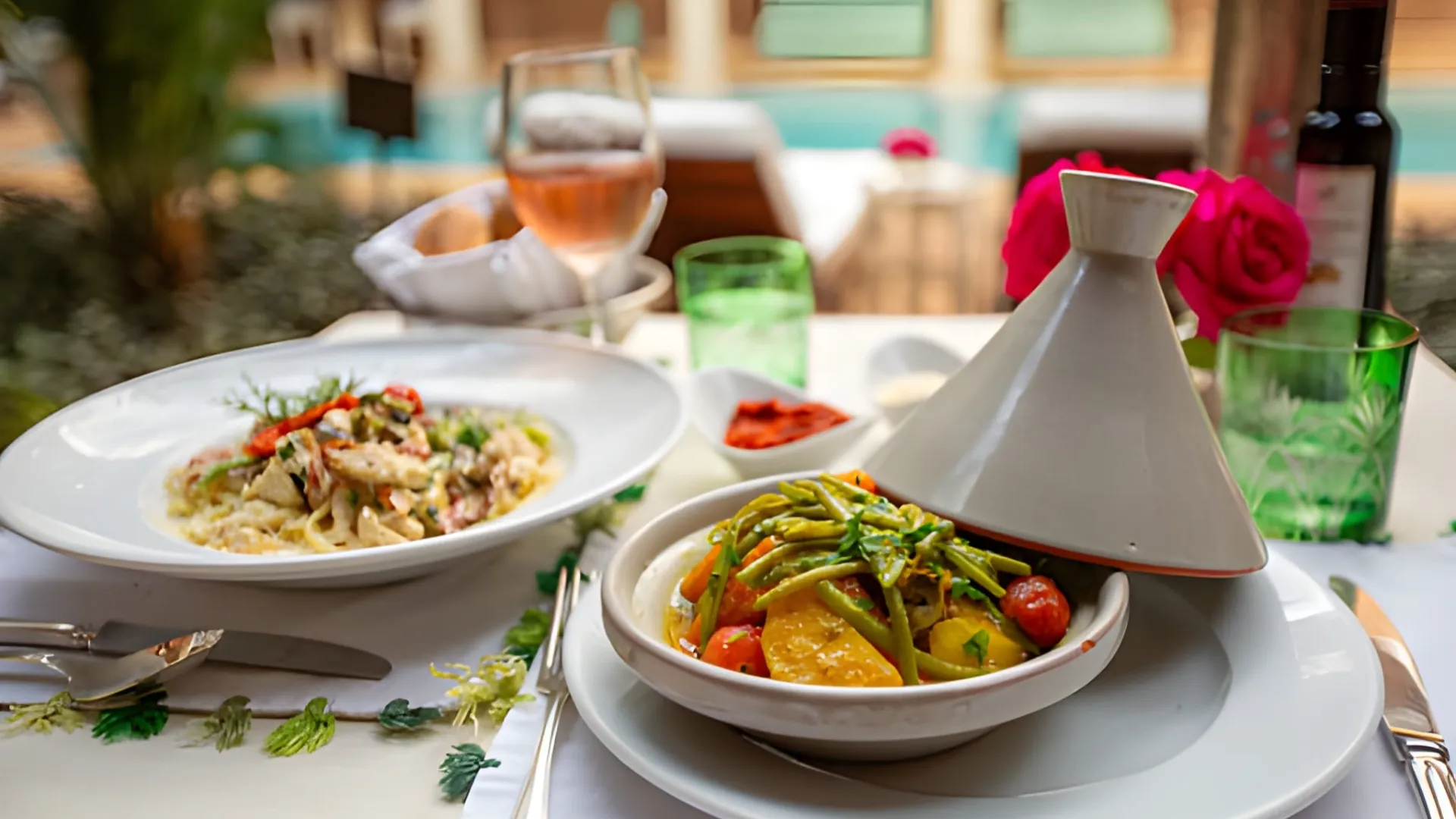
Vegetable tagines are a key part of Moroccan vegetarian cuisine. These stews are slow-cooked with vegetables, dried fruits, and spices in a clay pot.
A typical vegetable tagine might include:
| Vegetable | Spice/Herb | Dried Fruit |
|---|---|---|
| Carrots | Cumin | Apricots |
| Zucchini | Coriander | Prunes |
| Potatoes | Turmeric | Dates |
Salads and Fresh Produce Dishes
Moroccan salads are fresh, vibrant, and full of flavor. They mix raw and cooked vegetables, fruits, and nuts. They’re dressed with a zesty blend of spices and herbs.
Some common ingredients in Moroccan salads include:
- Tomatoes
- Cucumbers
- Oranges
- Olives
- Almonds
These salads are not only delicious but also refreshing. They offer a nice contrast to the richer dishes in Moroccan cuisine.
Influential Moroccan Chefs and Their Contributions
Exploring Moroccan cuisine reveals the big impact of modern chefs. They mix new ideas with old cooking ways. This blend of flavors and techniques is changing Moroccan food.
The Visionaries Shaping Moroccan Cuisine
Moroccan chefs are more than cooks; they’re storytellers with their dishes. Fatima Al Abbadi, at La Sultana hotel in Marrakech, is leading this change. She uses new methods and ingredients but keeps the traditional taste.
“Cooking is not just about feeding people; it’s about sharing culture, history, and love.” This quote shows how Moroccan chefs see their work. They aim to connect people and keep their heritage alive.
Traditional vs. Modern Interpretations
The debate on Moroccan cuisine’s future is ongoing. Traditionalists stick to classic recipes. But modern chefs add new twists, making dishes more exciting for everyone.
| Traditional Dish | Modern Interpretation |
|---|---|
| Classic Tagine | Tagine with Truffle and Saffron |
| Traditional Couscous | Couscous with Roasted Vegetables and Harissa |
Culinary Schools in Morocco
Culinary schools in Morocco are key for the next chefs. Places like the Institut Supérieur de Cuisine et de Pâtisserie in Casablanca teach both traditional and modern cooking. They offer a well-rounded education.
These schools teach more than just recipes. They focus on the cultural background of Moroccan food. Students learn about spices, slow cooking, and presentation.
Supporting these schools helps keep Moroccan cuisine alive and growing. As these young chefs start their careers, they bring new ideas and excitement to the world of food.
Exploring Moroccan Desserts
Moroccan desserts are a world of flavors and textures. They are a big part of the country’s food culture. These sweets are often enjoyed during special times and events.
Baklava: Layers of Sweetness
Baklava is a beloved Moroccan dessert. It’s made with layers of phyllo dough, nuts, and honey. The mix of crunchy and chewy textures, with a sweet and nutty flavor, is irresistible.
Key ingredients: phyllo dough, nuts, honey, rose water.
Almond Briouats: A Nutty Delight
Almond briouats are crispy pastries filled with almond paste. They’re loved in Morocco for their crunchy outside and soft inside. They’re often flavored with orange blossom water or other fragrances.
“The art of making almond briouats lies in achieving the perfect balance between the crunch of the pastry and the softness of the almond filling.” – A renowned Moroccan pastry chef.
Moroccan Semolina Cake: A Sweet Treat
Moroccan semolina cake, or “gâteau de semoule,” is a simple yet tasty dessert. It’s made with semolina flour, sugar, and milk. It can be flavored with vanilla or other ingredients, giving it a unique taste.
- Semolina flour
- Sugar
- Milk
- Vanilla or other flavorings
These Moroccan desserts are not just treats for your sweet tooth. They also give you a taste of the country’s rich food traditions. Whether you’re baking baklava, almond briouats, or semolina cake, you’re joining a tradition that spans generations.
Conclusion: The Rich Tapestry of Moroccan Food
Moroccan cuisine is a vibrant mix of African, Arab, and Mediterranean flavors. You’ve seen how traditional dishes like tagine and couscous are key. Spices and bread also play a big role in this cuisine.
Diversity in Flavors
The flavors in Moroccan cuisine come from its diverse culture. By trying different regions and local dishes, you can really get to know Moroccan food culture.
Exploring Culinary Delights
Visiting Morocco is a great way to dive deeper into its cuisine. From street food to traditional riads, each experience will show you the depth of Moroccan food.
Whether you love food or are just starting to explore global cuisines, Moroccan food has something special to offer. Start your culinary adventure and let Moroccan flavors enrich your taste buds.